






Fall in the Air: Preg-Check Season and the Highland Calves Are Almost Here
Fall means two things happen back to back on this ranch — we find out which momma cows earned their keep, and a set of Angus cows start calving out mini Highland babies that aren't genetically theirs.

You can smell it now. The mornings have a bite, the grass has slowed down, and the light comes in sideways across the pastures by five o'clock. Fall is here. And on this ranch, fall means two things are about to happen back to back: we find out which momma cows earned their keep, and a set of Angus cows start calving out mini Highland babies that aren't genetically theirs. Let me explain both.
Fall in the Air
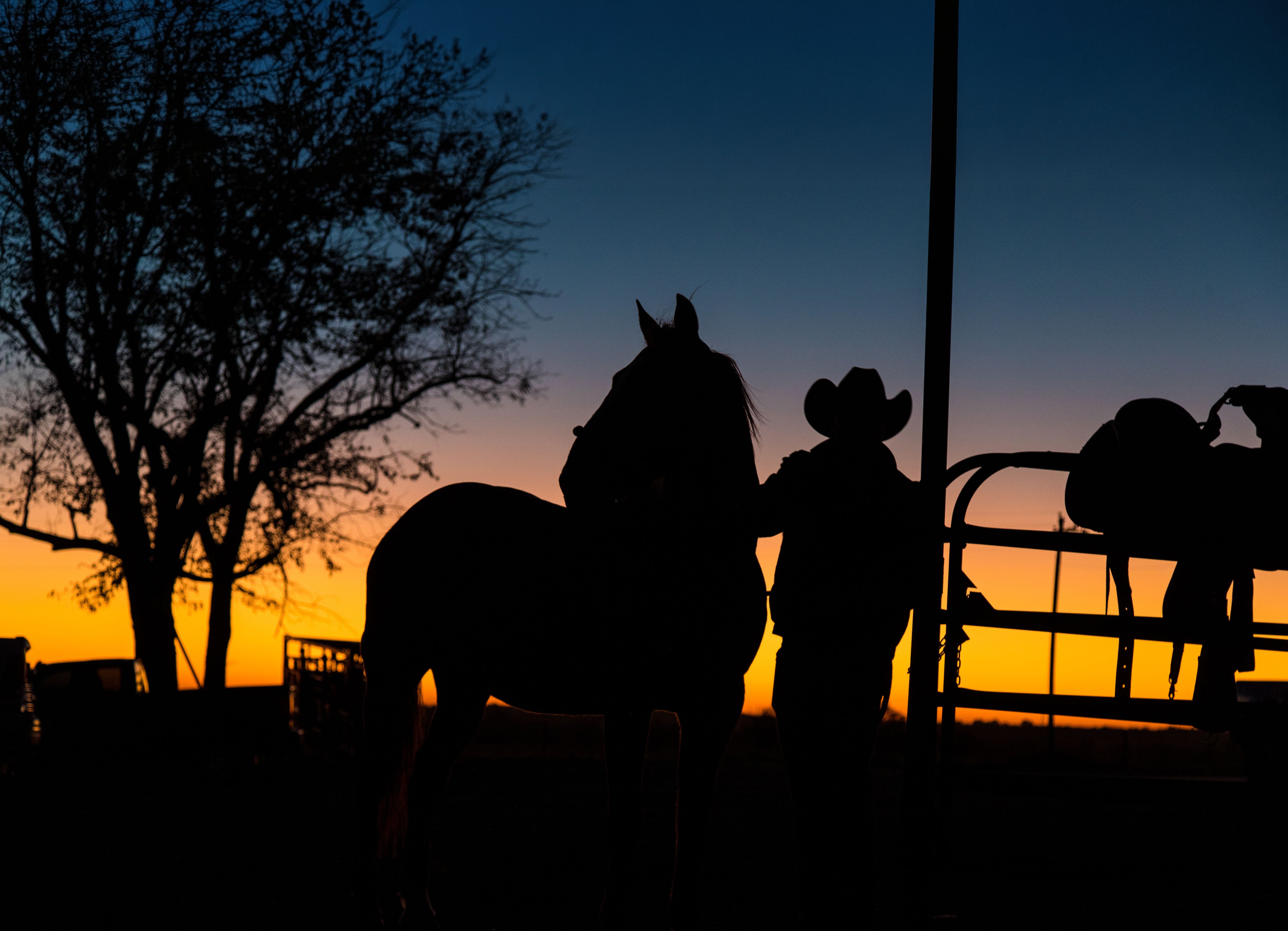
I wrote a few weeks ago that fall is my favorite season out here, and I meant it. The flies quit. The cattle get frisky in the cool. The hay's stacked, the calves are weaned, and for the first time since spring you can stand at the gate at sunrise and just look.
The University of Missouri's climate folks say the first fall frost usually hits northern Missouri by the second week of October. That's not a warning to us. That's a deadline. Everything below has to be done before the grass goes dormant, because once it does, the herd is living off what we put up this summer.
And this fall is a little different. Dad's home. First preg-check in a long time with him standing at the chute. Doesn't change the work. Changes how it feels.
Preg-Check Season: The Report Card on the Year
Here's how a cow-calf operation actually works. A cow's job is to raise one calf a year. We turned bulls out in the spring, and now, months later, every cow gets run through the alley and the vet tells us one of two things: bred or open.
Open means she didn't take. And an open cow is the most expensive animal on the place. She eats the same hay all winter as a bred cow, takes up the same space, and hands you nothing in the spring. The University of Tennessee's Andrew Griffith put it in numbers I like: pregnancy checking runs about $5 to $10 a head, while carrying an open cow through winter costs $200 to $400. Find one open cow in forty, and the check paid for itself.
"Preg-check day is the one day a year the cows can't hide anything from you. Either she did her job or she didn't."
How the Vet Actually Checks
There are three ways to do it, and most ranches use one or a mix. What matters is the timing.
Blood Test
A tube of blood from the tail vein, sent to a lab. Detects pregnancy proteins as early as 28 days after breeding, results usually back the next business day. Catch: the cow has to be at least 90 days past her last calving or you can get a false read. Tells you bred or open — nothing else.
Ultrasound
The vet runs a probe and reads the screen right there in the alley. Works from about 25 to 28 days. Bonus: between 55 and 80 days you can sex the calf with better than 90% accuracy, spot twins, and age the fetus so we know who's calving early and who's calving late.
Palpation
The old way. The vet goes in by hand and feels for the calf. Reliable from about 45 days on. No lab, no screen, no waiting. An experienced vet can age a calf by feel closer than you'd think.
Whatever the method, the decision on the back end is the same. Bred cows go into the winter program. Open cows don't get a second winter on our hay. It sounds hard. It is hard. But feeding a cow for six months to get nothing is how ranches go broke quietly.
Angus Mommas, Highland Babies
Now the fun part.
Earlier this year we put mini Highland embryos into a group of our Angus cows. If you've never heard of embryo transfer in cattle, here's the short version: you take a fertilized embryo from a donor cow and a bull you've picked, and you place it in a different cow — a recipient — who carries it, calves it, and raises it as her own. The calf is 100% Highland. The cow raising it is 100% Angus. She has no idea, and she doesn't care.
Our Angus cows are proven mommas. Good udders, good milk, good dispositions, and they've calved before. Mississippi State Extension says recipients need to be in good body condition, on a sound health program, and carrying a working corpus luteum at transfer — or they don't get used.
UGA's beef team recommends mature cows over heifers as recipients — less calving trouble, more confidence in mothering. And calmer recipients post better pregnancy, calving, and weaning rates than excitable ones. Disposition matters.
Embryo transfer isn't a sure thing. Mississippi State puts pregnancy rates around 65% for fresh embryos and 55% for frozen. You set up more recipients than you have embryos and you live with the math.
Because people love them, and because they're a different kind of animal — hardy, shaggy, easy-keeping, with a reputation for small calves and easy births. Growing our Highland program without buying more Highland cows is exactly what embryo transfer is for.
Getting the Recipients Ready to Calve
Highland gestation runs right around 280 to 285 days, which puts our first calves due in mid-October. So while we're preg-checking the main herd, we're also pulling the recipient cows into their own group and getting them set up.
What We're Doing Between Now and Mid-October
Sorting them off. The recipients come out of the main herd into a calving pasture close to the house where we can lay eyes on them twice a day.
Holding condition steady. No big feed changes going into calving. The UGA beef team warns against major diet swings around transfer, and the same logic holds late in gestation — steady is what a cow wants.
Checking them daily. Highlands have a well-earned reputation for calving easy, but the folks who raise them will tell you roughly one in twenty calves comes in a bad position. Somebody's going to be looking at those cows every morning and every evening until the last one hits the ground.
Getting the kit ready. Chains, colostrum, tags, a warm place to put a wet calf if the first frost shows up the same week. Because it might.
"An Angus cow is about to look down at a shaggy little red calf and think, well, that's not what I expected. And then she's going to raise it like it's hers."
What Fall Really Is on a Ranch
People think of fall as the season things slow down. On a cattle operation it's the opposite. It's when the year gets graded. Preg-check tells you how your bulls did, how your nutrition did, how your management did. The calves coming off tell you how your cows did. And a set of embryo calves tells you whether a bet you made in the winter is going to pay.
Then, if you did it right, the snow comes and everything's set. Hay in the yard. Bred cows on stalks. A pasture full of Highland calves that look like they walked out of a storybook. That's the picture we're working toward.
What's Next
I'll post the preg-check results when we have them — the good and the not-so-good. And when that first Highland calf hits the ground out of an Angus cow, you'll see it here and on @mcbeefarms the same day. If you've ever wanted to see what a mini Highland calf looks like at an hour old, mid-October is the time to be following along.
Fall's here. The report card's coming. And the shaggy babies are almost here.
— Steven McBee, McBee Farm & Cattle Co.
Be First to Know
Get the preg-check results, the first Highland calf photos, and fall freezer-beef news straight from the ranch.