



Spring on the Farm: 375 New Lives and Counting
Every spring, our pastures go from quiet to chaotic in the best possible way. Angus calves, bison calves, and lambs — wobbly legs everywhere you look. This is our favorite time of year.

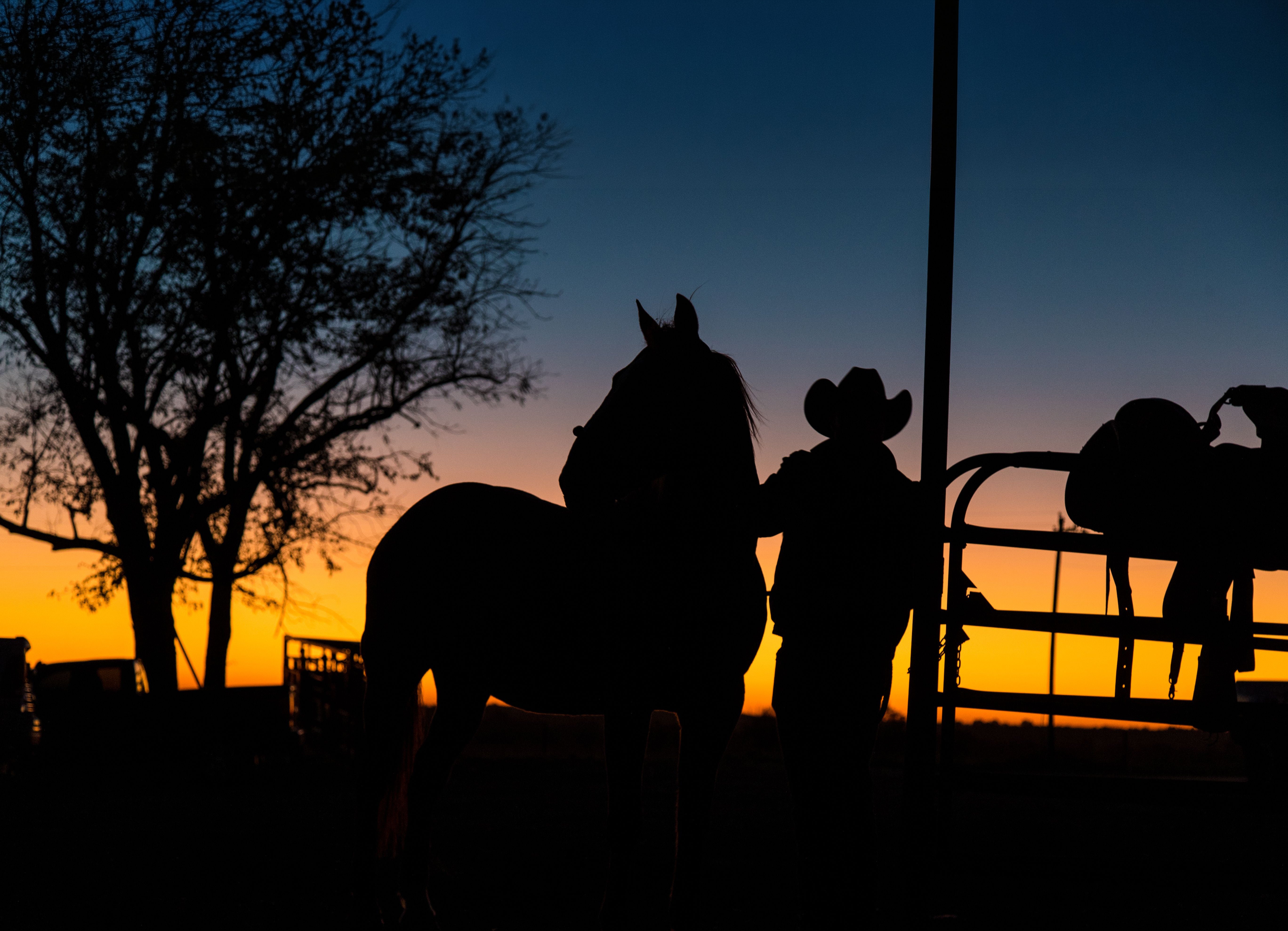
There is no better morning on this farm than the first warm day of spring when you pull out of the driveway before sunrise, coffee in hand, and start driving the pastures. You're looking for new calves. And if it's been a good night, you'll find them — still wet, wobbly-legged, and already trying to figure out how to run. That's what spring means to us. Not a season on a calendar. A pasture full of new life.
What Spring Looks Like on the McBee Farm
By the time calving season wraps up, we've welcomed around 375 new animals into this operation. That number still gets me every year. It doesn't matter how long you've been doing this — walking a pasture full of new life in the spring morning light never gets old.
Each one of those animals represents a full year of planning. Selecting bulls. Managing breeding cycles. Monitoring pregnancies through the winter. Tracking body condition scores on every cow in the herd. Spring is when all of that work either paid off or it didn't. Most years, it pays off.
Driving Pastures — The Best Part of the Day
The boys and I drive every pasture during calving season. Usually before sunrise, sometimes again at last light. You're looking for a few specific things — a cow off by herself, which usually means she's close. A calf that hasn't stood up yet and might need a hand. A new pair that needs tagged before you lose track of them in a big pasture.
But mostly you're just watching. There's something about seeing a calf that was born overnight already running on legs it's only had for a few hours that never gets old. They don't know what they're doing yet. They're just running because it feels right — full speed, completely sideways, no idea where they're going.
"You can have the worst week in the world on this farm, and then you drive a pasture full of new calves in the morning light and remember exactly why you do this."
How We Tag and Track Every Calf Born on This Farm
Calving season isn't just about watching new life hit the ground. It's about capturing data on every single animal from day one. Here's what that process looks like on the McBee Farm:
Spot the New Pair
We drive every pasture morning and evening during calving season. A cow isolating herself from the herd is the first sign she's close. We know what to look for — and we know when to step in and when to let nature handle it.
Tag Within 24 Hours
Every calf gets an ear tag within the first day of life. That tag is that animal's identity for its entire time on this farm — its mother, its birth date, its birth weight, any health observations. No tag, no record. No record, no data. No data, no improvement year over year.
Record Everything
Birth weight, dam ID, sire, condition notes — it all goes into the records the same day. We track every animal from the morning it's born through harvest. That data drives our bull selection, our culling decisions, and the overall direction of the herd every single year.
Monitor the First 72 Hours
The first three days are the most critical window. We're watching for calves that aren't nursing, cows that aren't mothering up, or any early signs of illness. A calf that misses colostrum in the first few hours is at a serious disadvantage — we don't let that happen if we can help it.
Turn Them Out and Let Them Grow
Once a pair is healthy and bonded, they go back to pasture. Spring grass is the most nutrient-dense forage of the year — new calves hitting the ground when the pastures are peaking gives them the best possible start. From here, nature does most of the work. That's the way it should be.
Why Calving Season Matters for the Beef You Buy
The health and vitality of a calf in its first days of life sets the trajectory for that animal's entire development. A calf that hits the ground strong, bonds quickly with its mother, and gets colostrum in the first few hours is going to wean heavier and grow more efficiently than one that had a rough start.
We manage our calving closely because we care about animal welfare — and because a healthy calf becomes premium beef. Those two things are not separate. They are the same thing.
250 Angus Calves — The Backbone of the Operation
Our Angus cowherd is the core of what we do. These cows are selected for maternal ability, milk production, and the disposition to raise a calf on pasture without much help from us. That doesn't happen by accident — it's years of culling hard and keeping only the cows that perform.

Watching 250 black calves spread across green spring pastures is one of those sights that makes you proud of what this family has built. These calves will wean in the fall, grow through the winter, and a portion of them will become the premium farm-to-table beef you order directly from us. From that pasture to your table — we own every link of that chain. That's not something most beef brands can say.
75 New Lambs — Chaos in the Best Way
People are always surprised when they find out we run sheep. Around 75 lambs hit the ground on this farm each spring — and they are, without question, the most chaotic and entertaining animals we raise.

Lambs don't ease into the world the way calves do. They hit the ground running. Within hours they're bouncing around the pasture in groups like they've been doing it their whole lives. You'll see ten of them take off at a dead sprint for absolutely no reason, slam on the brakes, look at each other, and do it again. The ewes look like they've completely given up trying to keep track.
What Sheep Do for Our Pastures
Sheep aren't just a secondary product — they're a pasture management tool. Sheep graze differently than cattle, targeting different plant species and grazing heights. Running them through our pastures in rotation helps keep the forage balanced and controls weed pressure in ways cattle alone can't. It's another layer of the regenerative system we run on this land.
Better pastures mean better grass. Better grass means better cattle. Better cattle means better beef. It all connects.
50 Bison Calves — Born Ready
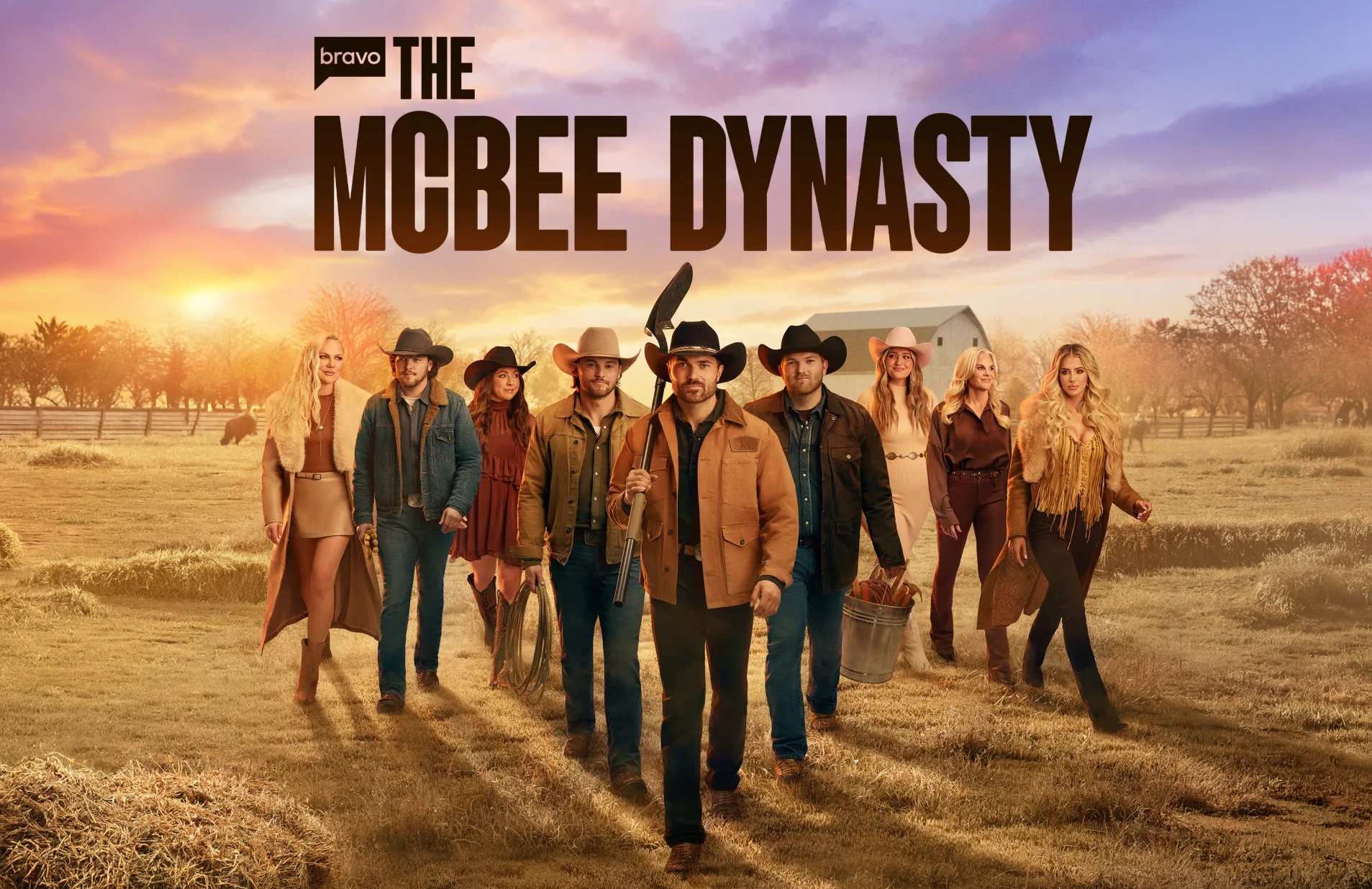
And then there are the bison. If you've watched Season 1 of The McBee Dynasty on Peacock, you know how this herd got started. We traveled to Northwest Montana and gathered them on horseback — one of the most unforgettable experiences this family has ever had together. We're telling that full story in an upcoming post, because it deserves its own space.
But right now, in spring, those bison are having calves of their own. Around 50 of them. And bison calves are something else entirely.

Bison calves are born a deep rust-orange color — completely different from the dark brown adults they'll grow into. They are up and moving faster than any animal I've ever seen born on this farm. Bison are built to survive without any help from us — these animals existed on this continent for millions of years before we got here, and that instinct is fully intact from the minute they hit the ground.
"A bison calf doesn't need you. It never did. Watching them run within hours of being born is a reminder that some things don't need to be improved — they just need to be left alone to do what they were made to do."
Why This Farm Runs Three Species
Angus cattle, sheep, and bison — each managed differently, each contributing to an operation that doesn't depend on a single animal or a single market. If one sector struggles, the others carry the load.
Different animals graze differently. Running cattle, sheep, and bison in rotation through our pastures creates a layered grazing effect that keeps the forage healthy and the soil biology active in ways single-species operations can't match.
Angus beef. Lamb. Bison. Three completely different products, three completely different markets, all coming off the same land with the same commitment to quality and transparency. That's a story no commodity operation can tell.
The beef you order from McBee Farm started right here — in these spring pastures, on wobbly legs, in the early morning light. From that pasture to your door. We own every step of that chain.
What This Season Means to This Family
Jesse, Cole, and Brayden grew up doing this. Driving pastures with their grandfather, learning to spot a cow that was close to calving, learning when to step in and when to let nature handle it. That knowledge doesn't come from a book. You accumulate it over years of early mornings and cold nights out in the field.
That's what makes this farm different from a commodity operation. The people running it grew up here. They know these animals. They know this land. And they'll be the ones passing it on to the next generation the same way it was passed to them.
Every spring I think about the fact that this farm has been doing this for generations. Different animals, different years, same pastures, same early mornings. There's a continuity to it that grounds you when everything else feels uncertain. We're grateful for every one of those 375 new lives — and grateful for every person who supports this farm by choosing our products. That's what keeps all of this going.
— Steven McBee, McBee Farm & Cattle Co.
Be First to Know
Get updates on what's happening on the McBee Farm this season — new beef drops, ranch news, and behind-the-scenes moments straight to your inbox.