






Why We Render Our Own Tallow (And Why You Should Be Cooking With It)
Seed oils replaced beef tallow in American kitchens about 60 years ago. That was a mistake. Here's why we render ours from our own grass-fed cattle — and why it belongs back on your stove.

My grandfather cooked with beef tallow. So did his father. So did pretty much every American family that put food on the table before the 1960s. Then somebody in a lab decided industrial seed oils were "healthier," and we collectively traded a real food our bodies recognized for a chemically refined oil they don't.
That was a mistake. And it's one we're trying to fix — one jar at a time.
What Tallow Actually Is
Tallow is rendered beef fat. That's it. You take the suet — the dense, waxy fat that surrounds the kidneys and organs of a steer — heat it slowly, strain out the solids, and what's left is a clean, ivory-white cooking fat that's stable at room temperature and packed with the kind of nutrients your body actually knows what to do with.
It's been used for centuries. In cooking. In candles. In leather conditioning. And on skin. Long before the food industry existed, tallow was just what people cooked with because it was what they had — and because it worked.
The Problem With Most Tallow on the Market
Tallow is having a moment. Walk into any health-focused grocery store and you'll see jars of it on the shelf. The label probably says "grass-fed." It probably has a clean-looking design. And there's a good chance the company that made it doesn't own a single cow.
Most tallow brands buy commodity fat from industrial supply chains, repackage it, and slap a clean label on it. They don't know which farms it came from. They don't know what those animals ate. They don't know how it was rendered. They're trusting a distributor — and the distributor is trusting whoever they bought it from.
That's not the same thing as actually raising the animal.
What Makes McBee Tallow Different
Our tallow comes from our own cattle — the same 100% grass-fed, pasture-raised animals we sell through McBee Meat Company. We know exactly where they grazed, what they ate, and how they lived. Because we raised them ourselves, on our family farm in Missouri.
We render every batch by hand. Small quantities. Low heat. No shortcuts. From the pasture to the jar — it never leaves our hands.
Why Grass-Fed Actually Matters
You hear "grass-fed" thrown around so much it's lost meaning. So let me tell you what it actually changes.
The nutritional profile of an animal's fat is a direct reflection of what that animal ate. A steer raised on industrial feedlot corn produces fat with a different composition than a steer raised on diverse, living pasture. That's not a marketing claim — that's biochemistry.
Grass-finished cattle produce fat that's measurably higher in omega-3 fatty acids, conjugated linoleic acid (CLA), and fat-soluble vitamins A, D, E, and K. Those are the nutrients your body uses to build cell membranes, regulate hormones, and maintain skin and joint health. They're in tallow because they're in the animal — and they're in the animal because of what that animal ate.
If a steer never sees a blade of grass, the fat coming off it doesn't have those things in any meaningful amount. Doesn't matter how clean the label looks.
"We're not selling you tallow. We're selling you the cow that grew up on our pasture, rendered down into the cleanest cooking fat you'll ever pour out of a jar."
How We Render It
The rendering process is where most tallow goes wrong. Rush it, overheat it, or use the wrong fat, and you end up with a product that's dark, off-smelling, or full of impurities. We do it the slow way — the way it's been done for generations.
Reserve the Suet
When one of our cattle is processed, the suet fat — the dense, premium fat surrounding the kidneys and organs — gets reserved immediately and kept cold. This is the highest-quality fat on the animal, and the only fat we use for rendering. No trim. No leftovers. Just suet.
Trim and Dice by Hand
The suet gets trimmed of any sinew or connective tissue and cut into small, even pieces. Smaller pieces render more cleanly and evenly. It's slow work. There's no machine that does this part as well as a careful hand.
Slow-Render at Low Heat
The trimmed suet goes into the pot at low heat — slow and steady. Over hours, the pure fat separates from the remaining tissue. High heat would scorch it and leave a beefy off-flavor. Low and slow gives you a clean, ivory-white tallow that's odor-neutral and shelf-stable.
Filter and Jar Fresh
Once rendered, the liquid tallow gets filtered to remove any remaining solids, then poured into jars while it's still warm. As it cools, it sets into a smooth, semi-solid fat that's ready to scoop into a hot pan. Every jar is made on the farm, by hand, in small batches.
What to Actually Cook With It
This is where tallow earns its place. It's not a specialty ingredient — it's the most versatile cooking fat in your kitchen. Here's what it does best.
Drop a spoonful in a screaming-hot cast iron and you'll never go back to butter or oil. The high smoke point means a real sear without the smoke alarm, and the flavor is exactly what beef wants to taste like.
Tallow is what made McDonald's fries famous before they switched to seed oil in 1990. Toss potatoes in melted tallow, salt them, roast at 425°F, and you'll understand why everyone's been chasing that flavor ever since.
A small spoonful in a warm pan — eggs cook up tender, golden, and never stick. Same goes for hash browns, sausage, anything you'd normally cook in butter. It just works.
If you've got a cast iron pan, tallow is the best seasoning fat there is. Wipe a thin coat on a clean pan, bake it upside down at 450°F for an hour, repeat. You'll build a black, glassy seasoning that lasts decades.
The Whole-Animal Philosophy
There's a reason we render our own tallow instead of just selling the steaks and walking away. We believe in using every part of every animal we raise. That's how our grandfathers did it, and that's how it should still be done.
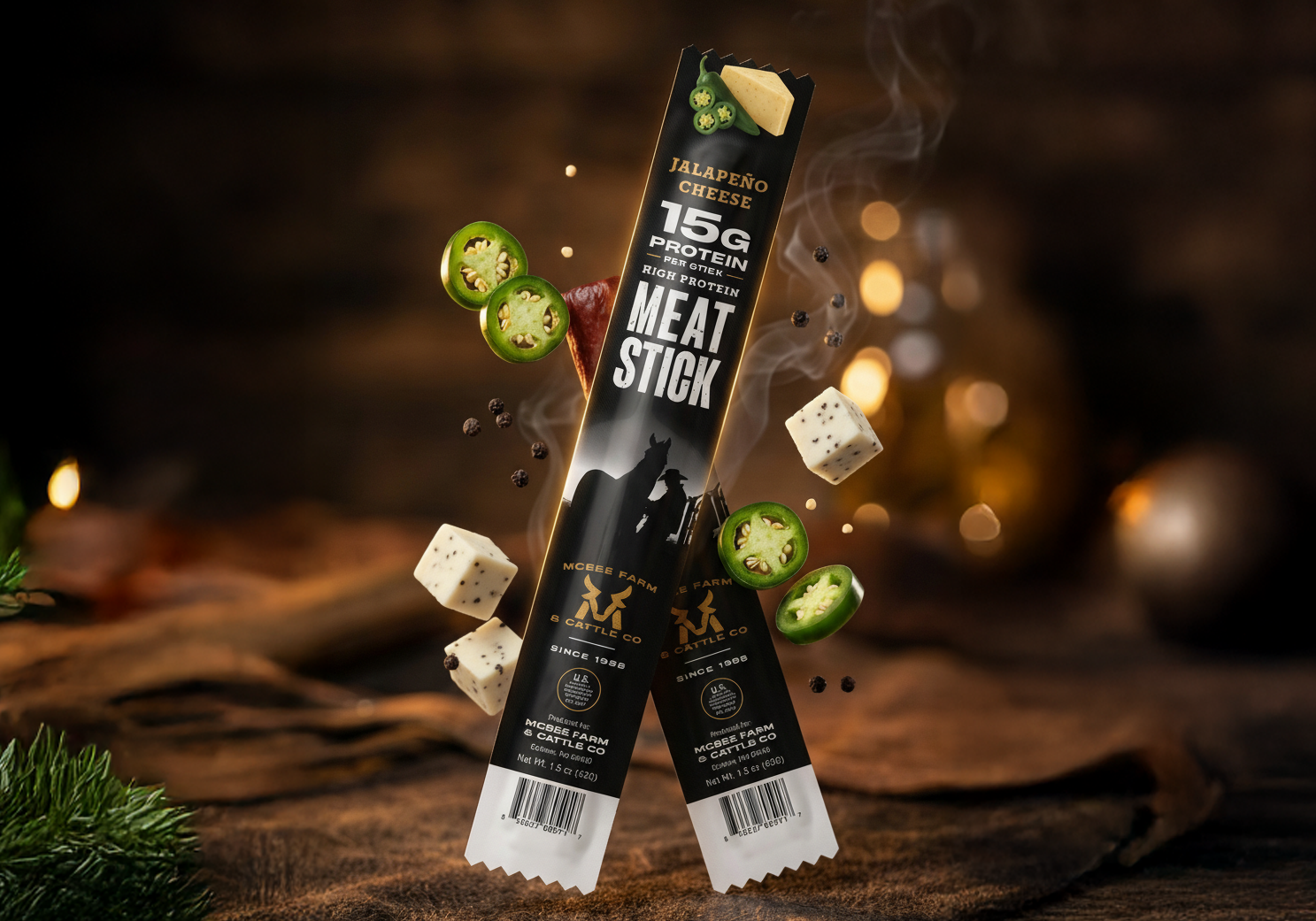
If we raise a steer for two and a half years on our pasture, we owe that animal more than a few prime cuts and a trip to the dumpster with the rest. The suet becomes tallow. The bones become broth. The trim becomes ground beef and snack sticks. Nothing goes to waste — because waste is disrespect.
That's the standard our family's been holding since long before "regenerative" was a word people put on labels.
More Than Cooking
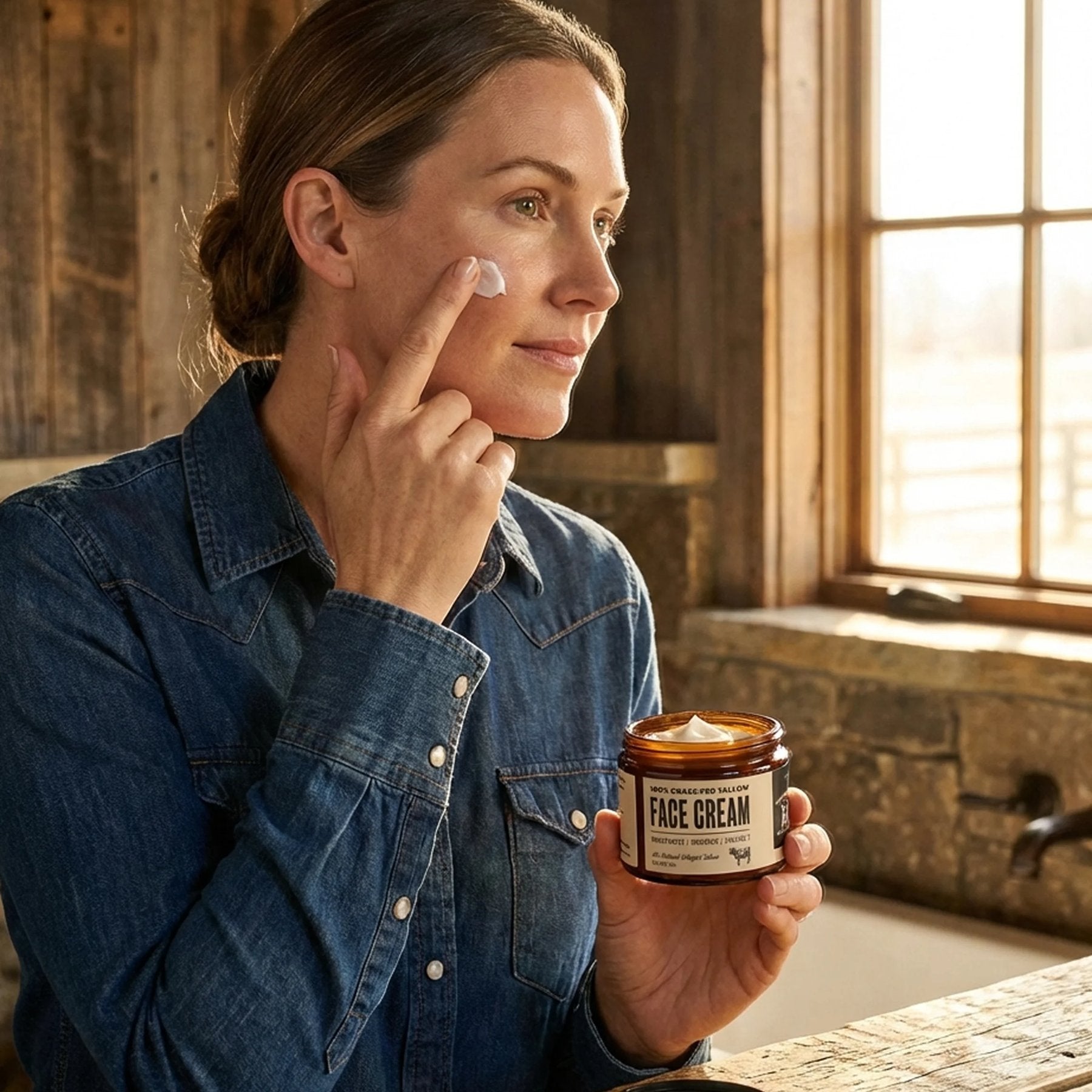
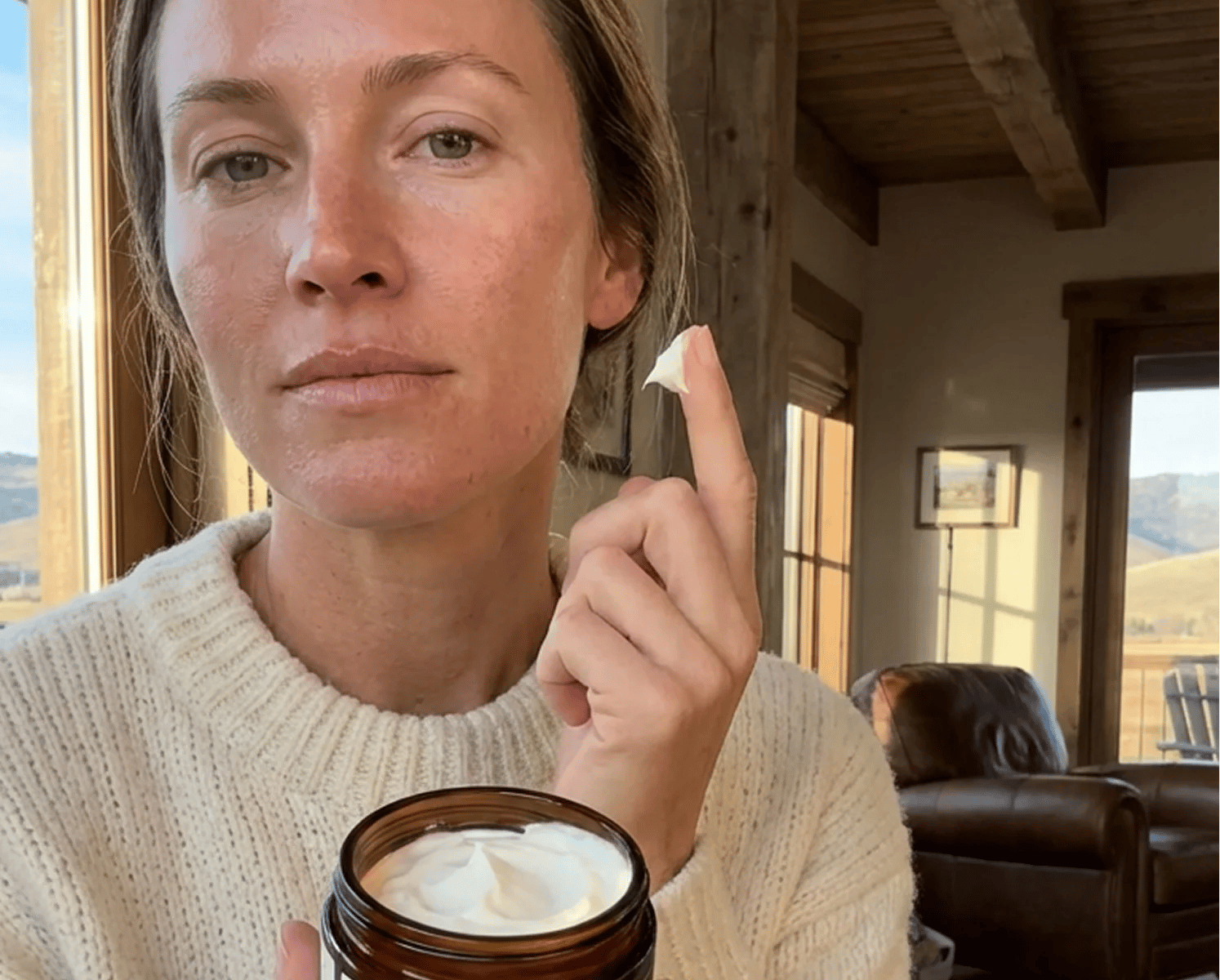
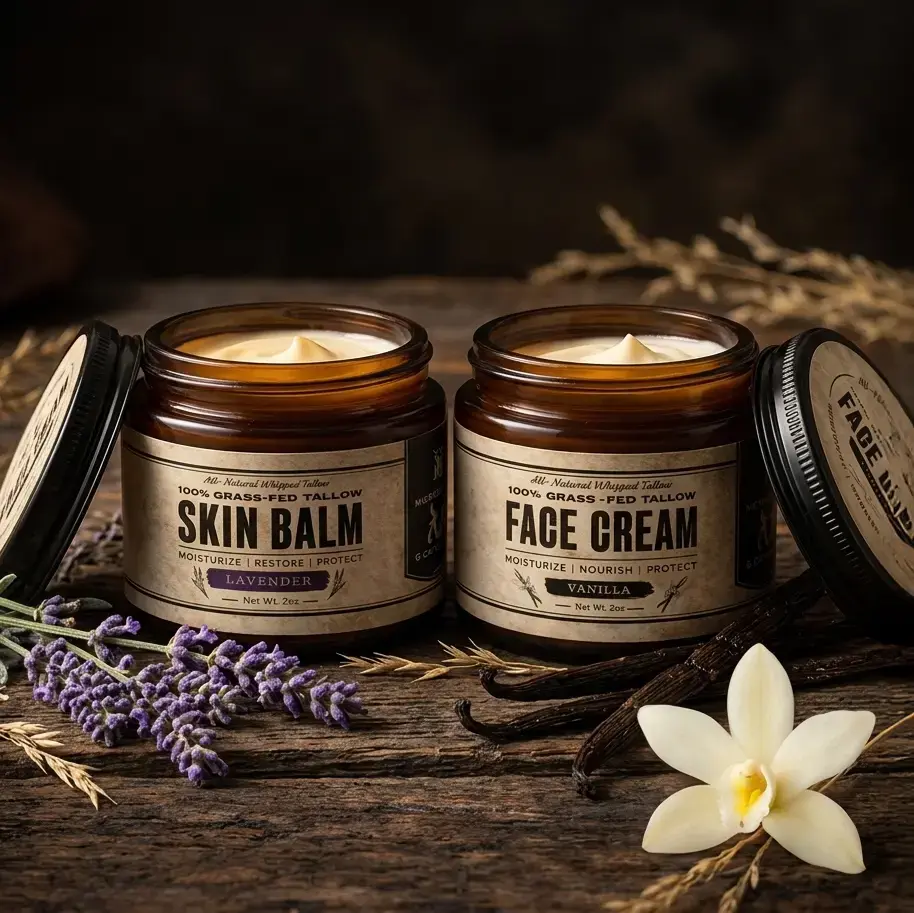
The same grass-fed tallow we render for the kitchen is also the base of our handcrafted skincare line — face creams, skin balms, baby butters — all made by hand on the farm by Kacie Adkison. If you've heard about tallow's place in skincare and you're curious, that's a story worth its own post. Read about tallow skincare here.
Try It in Your Kitchen
If you've never cooked with tallow before, start with a steak. One sear in a cast iron with a spoonful of grass-fed tallow and you'll get it. There's a reason this fat fed America for two centuries before we replaced it with something we couldn't pronounce.
The good news is, getting back to it is easy. Our jars ship straight from the farm. One jar lasts most home cooks a couple of months. And if you go through it faster than that — well, that's how we know you're using it right.
— Steven McBee, McBee Farm & Cattle Co.
Be First to Know
Get updates from the farm, behind-the-scenes from the McBee family, and first dibs when new tallow batches drop.